
2026-10-18 ·
Ice Dams and Winter Roof Leaks: Prevention Tips for Flint, MI
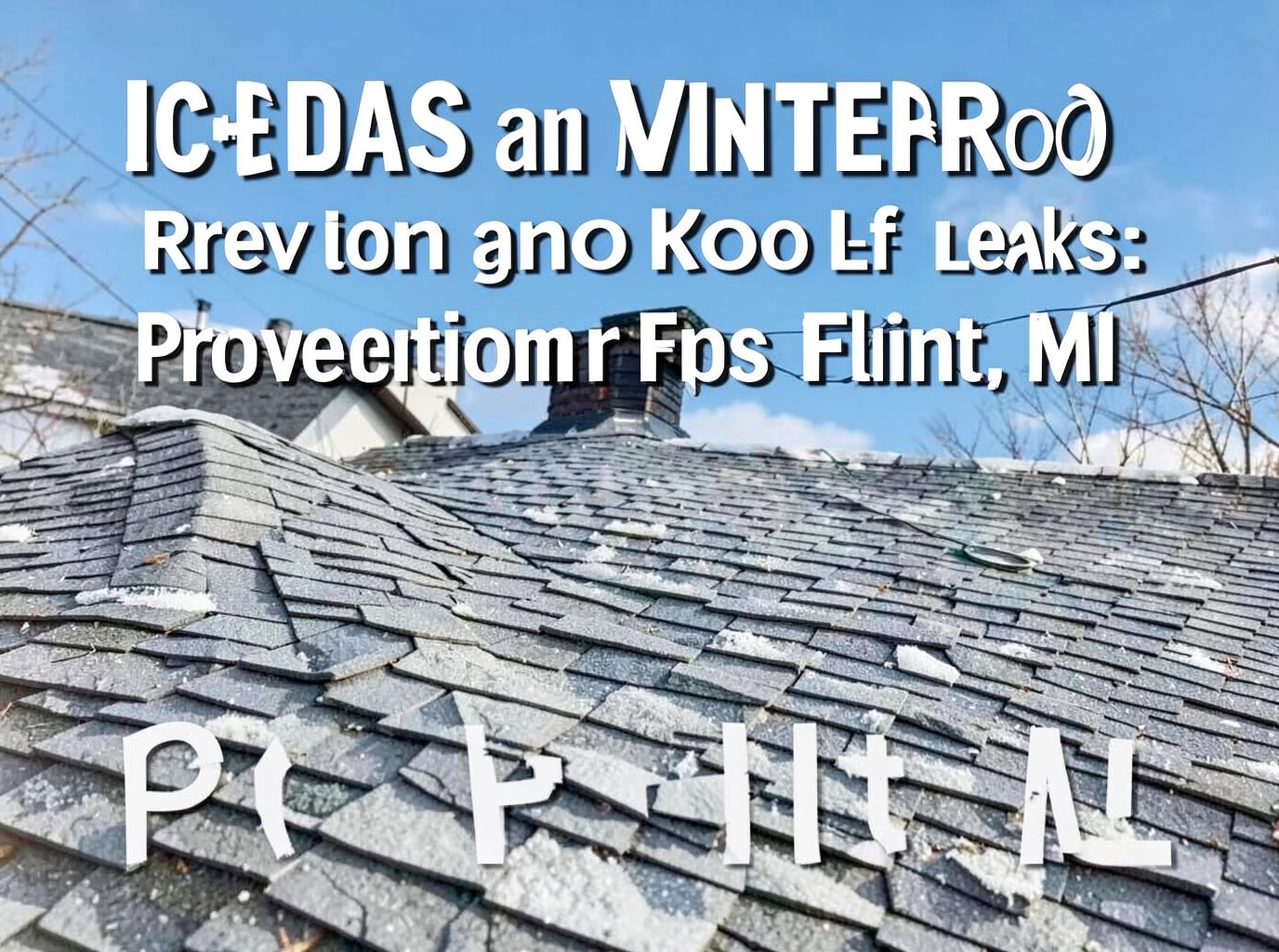
Preventing ice dams and winter roof leaks in Flint starts with balancing attic temperatures through ventilation and insulation upgrades before lake-effect snow arrives in Genesee County. Homes in North Flint and Carriage Town often see dams form when heat escapes the attic and melts snow on the lower roof edge, where it refreezes overnight. Older housing stock throughout Downtown Flint and the Eastside lacks modern insulation levels, making temperature differentials worse during the shift from cold winters to warm summers. Checking these factors early avoids interior water damage that commonly appears along ceilings in Woodcroft and surrounding blocks.
How Lake-Effect Snow Creates Ice Dams in Flint
Genesee County winters bring repeated lake-effect snow bands that dump heavy, wet snow on roofs in Lapeer and Saginaw corridors as well. This snow sits on asphalt shingles common to Flint homes and melts from below when attic heat reaches the deck. Refreezing at the eaves forms the dam that backs water under shingles. Properties in North Flint with limited roof slope see faster buildup because meltwater has nowhere to drain. The same pattern repeats in Carriage Town where mature trees block sun exposure on north-facing slopes. Consistent monitoring after each storm prevents small dams from growing into leaks that require Ice Dam Roof Repair.
Checking Attic Ventilation Before Winter
Proper roof ventilation keeps the underside of the deck cold enough to avoid melting in the first place. Many Eastside and Woodcroft homes still rely on original ridge and soffit vents that have been blocked by insulation or debris over decades. Adding or clearing these vents reduces the temperature difference that drives ice dam formation. Pairing ventilation work with Roof Ventilation Installation helps older homes in Downtown Flint maintain consistent deck temperatures through repeated snow events. Homeowners who also review related guidance in Roof Ventilation and Gutters: Preparing Homes in Flint, MI for Winter gain a clearer picture of how airflow and drainage work together on local roofs.
Gutter and Downspout Maintenance for Snow Loads
Clogged gutters allow meltwater to pool against the roof edge and accelerate dam growth during Genesee County snow cycles. Cleaning gutters and ensuring downspouts direct water at least six feet from the foundation stops backup that feeds ice formation. In North Flint and Carriage Town, leaves from mature trees often fill gutters by late fall, creating the exact condition that turns normal snow into leaking dams. Scheduling this task before Thanksgiving keeps water moving even when temperatures swing from cold nights to warmer days. Pairing gutter work with Gutter and Downspout Repair addresses sagging sections common on older Flint homes before the next lake-effect event.
When to Call for Professional Assessment
Homeowners who notice water stains along ceilings or ice along eaves after the first heavy snow should schedule an inspection rather than wait for larger leaks. Crews familiar with Flint rooflines can identify missing insulation baffles or blocked soffits that standard visual checks miss. Early intervention in areas like the Eastside or Woodcroft often limits damage to a few shingles instead of full deck replacement. Keeping records of each winter's snow load helps track which homes need repeated attention versus one-time fixes. This approach keeps roofs performing through the full cycle of cold winters and warm summers that define the local climate.